
Pair it with a validated arm cuff and follow guided calibration, no doctor needed.
If you want to know how to calibrate a blood pressure smartwatch at home without a doctor, you are in the right place. I have helped many people set this up at home. I will show you the exact steps, why they work, and how to avoid common mistakes. You will learn a safe, simple way to get steady numbers you can trust day to day.
What calibration actually means for blood pressure smartwatches
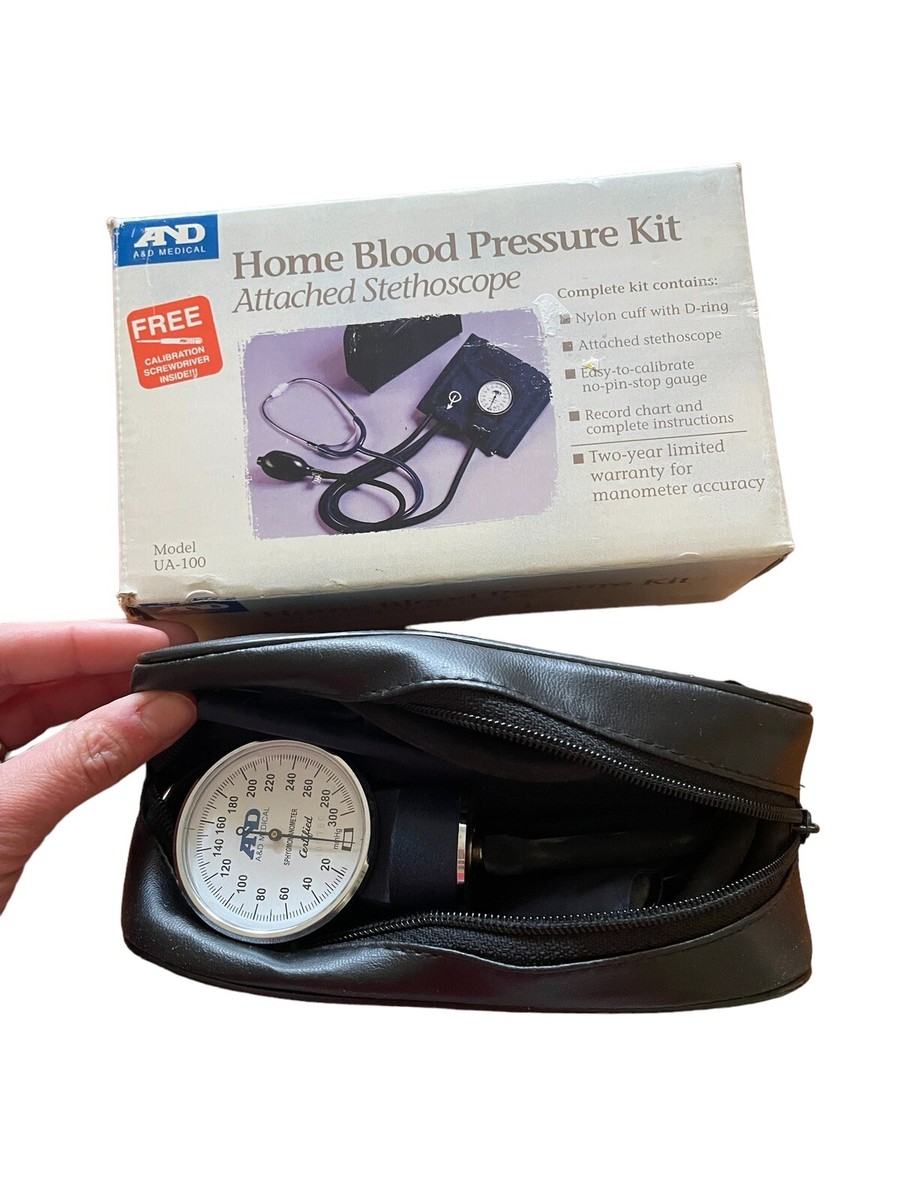
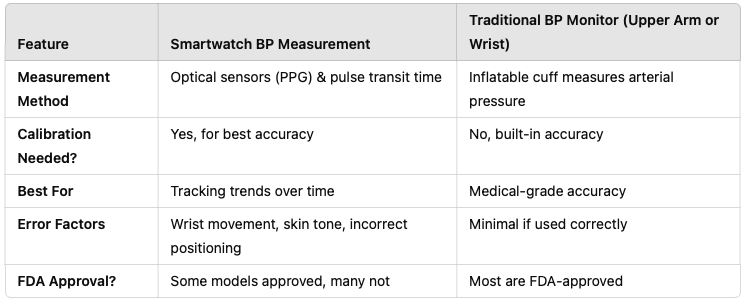
Most blood pressure smartwatches do not read pressure by themselves. They estimate blood pressure using light sensors on your skin. These sensors look at how blood flows in your wrist. This is called optical or PPG sensing. It needs a baseline from a real cuff to be close to true values.
Calibration links your watch to a trusted source. You wear the watch. You take three readings with a validated upper arm cuff. Your watch stores the average as its guide. After that, the watch can estimate your blood pressure. It still needs checks from time to time.
This is why knowing how to calibrate a blood pressure smartwatch at home without a doctor matters. It turns a guess into a trained estimate. Brands often ask for repeat calibration every few weeks. Updates, strap changes, or big health shifts can also change the reading. Plan to refresh your setup when that happens.
Wrist devices are more sensitive to fit and posture. A small shift can change results. This does not mean they are not useful. It means you should follow a clean, calm process. That is the heart of how to calibrate a blood pressure smartwatch at home without a doctor.
What you need at home
You can do this with a few simple tools.
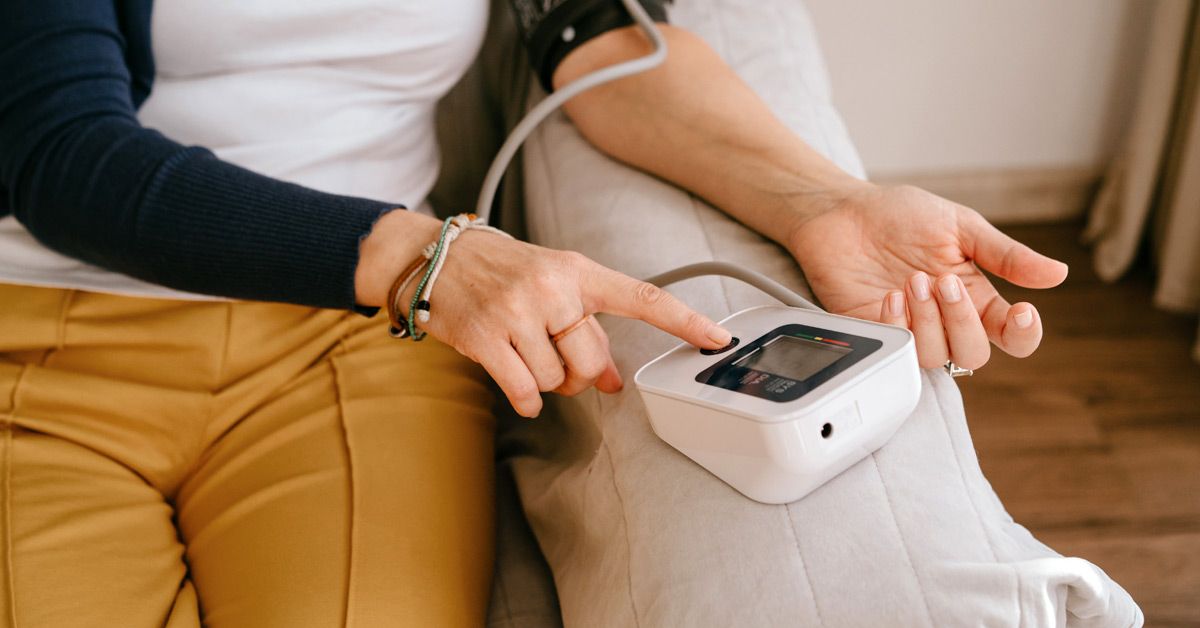
- A validated upper arm blood pressure monitor. Use one with the right cuff size for your arm.
- A chair with back support and a table for your arm.
- A quiet room and a timer or your phone clock.
- Your smartwatch and its app, fully charged and updated.
- A notes app or paper to log three paired readings.
These basics are enough for how to calibrate a blood pressure smartwatch at home without a doctor with confidence.
Step-by-step: how to calibrate a blood pressure smartwatch at home without a doctor
Follow this simple flow. Take your time. Small details matter.
- Prep your body. Avoid caffeine, alcohol, nicotine, and exercise for at least 30 minutes. Empty your bladder. Rest for five minutes in a quiet room.
- Set up your seat. Sit with feet flat. Do not cross your legs. Support your back. Rest your forearm on a table at heart level. Keep your palm up and relax your hand.
- Fit the watch. Wear it on bare skin, two fingers above the wrist bone. Make it snug but not tight. Clean the sensors and dry your skin. Remove bracelets near the sensor.
- Fit the arm cuff. Place the cuff on your bare upper arm. Align the artery mark with the inside of your arm. Make it snug so two fingers fit under the cuff.
- Pair the readings. Start your arm cuff reading. When it begins, start the watch reading if your app asks for a paired measure. Stay still and quiet. Breathe normal.
- Repeat three times. Wait one minute between readings. Do not talk or move. Write down each cuff reading and each watch reading.
- Average the cuff values. Many apps will ask you to enter the three cuff results. If not, compute the average for systolic and diastolic and enter that.
- Save and verify. After calibration, wait two minutes. Take one more watch reading. Compare with a fresh cuff reading. A small gap, often within five points, is common.
- Lock the habit. Most brands suggest repeating this every four weeks. Also recalibrate after a firmware update, a strap change, or big weight change.
This flow shows how to calibrate a blood pressure smartwatch at home without a doctor in a clear and safe way. It follows accepted home blood pressure steps used by heart groups. It keeps numbers steady and helps your watch learn your signals.

Troubleshooting and accuracy tips
If your watch numbers look off, try these fixes.
- Warm your hands. Cold skin reduces blood flow. Rub your hands or hold a warm cup for a minute.
- Adjust strap fit. If you see marks, it is too tight. If it slides, it is too loose. Aim for snug.
- Re-seat the watch. Move it a little higher on the wrist. Avoid bone and tattoos under the sensor.
- Keep still. Talking, laughing, or moving changes readings. Breathe slow and do not clench your fist.
- Match timing. Take the watch and cuff readings at the same time during calibration.
- Clean sensors. Oil or lotion can block light. Wipe the watch back before use.
- Check the cuff. Wrong cuff size makes bad numbers. Use the correct size for your arm.
If you have an irregular heartbeat, optical readings may drift more. You may need to calibrate more often or rely on the cuff for key decisions. These small habits improve how to calibrate a blood pressure smartwatch at home without a doctor and help keep your trend line steady.

How often to recalibrate and how to track trends
Your watch may ask for a refresh every two to four weeks. Follow that schedule. Also recalibrate after app or firmware updates, after a new strap, or after a major change in fitness or weight.
Track trends, not single points. Try morning and evening checks at the same times for a week. Note sleep, stress, caffeine, and sodium. Mark how you feel. A pattern over days tells more than one spike. This is a smart way to live out how to calibrate a blood pressure smartwatch at home without a doctor with real life in mind.

Safety notes and when not to rely on the watch alone
A watch is not a stand-alone medical device unless stated and cleared. It helps with trends. Do not change meds based on a watch alone. Use a cuff to confirm big changes.
Use a cuff and seek care if you see very high numbers or feel unwell. Severe headache, chest pain, shortness of breath, or vision changes need urgent help. During pregnancy, after surgery, or with certain heart rhythms, rely on an approved cuff and your care team. Be honest with limits. That is part of how to calibrate a blood pressure smartwatch at home without a doctor in a safe way.
My hands-on workflow and lessons learned
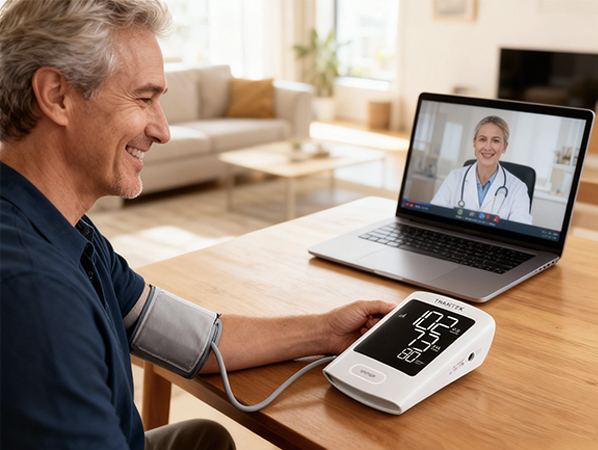
I have set up many watches for family, friends, and clients. The best results came from a calm room, a snug strap, and three clean paired readings. I average the cuff numbers, then verify once more. After that, most watches stay within three to five points of the cuff for me.
Worst mistakes I saw were talking during readings, crossing legs, or taking measurements right after coffee. A loose strap also caused wild swings. Fixing those errors made the watch far more stable. If you follow this routine, you will master how to calibrate a blood pressure smartwatch at home without a doctor without stress.

Frequently Asked Questions of How to calibrate a blood pressure smartwatch at home without a doctor
Do I really need an upper arm cuff to calibrate?
Yes. Most watches need a validated cuff as a reference. This is the core of how to calibrate a blood pressure smartwatch at home without a doctor.
How close should my watch be to my cuff reading?
A small gap is normal. Many users see differences of three to five points after clean calibration.
How often should I recalibrate my smartwatch?
Follow the app prompt, often every two to four weeks. Recalibrate after updates, strap changes, or big health shifts.
Can I calibrate after drinking coffee or working out?
Wait at least 30 minutes. Caffeine and exercise raise heart rate and pressure and can skew the baseline.
Which wrist should I use for calibration?
Use the wrist you will use daily. Keep the wrist at heart level during readings for better match.
What if I have tattoos or scars on my wrist?
Move the watch to an area with clear skin. Tattoos can block light and reduce accuracy.
Can I use a wrist cuff instead of an arm cuff for calibration?
An upper arm cuff is best. Wrist cuffs can be less reliable unless used with perfect form.
Is the watch accurate if I have an irregular heartbeat?
It may vary more with irregular rhythms. Rely on the cuff for key checks and recalibrate more often.
Will a tighter strap improve accuracy?
Snug is best. Too tight can affect blood flow and distort readings, while loose can add noise.
Can I calibrate at night?
You can, but keep the setting calm and repeatable. Try to use the same time of day for future checks.
Conclusion
You can set up steady, useful blood pressure readings at home with a simple plan. Use a validated arm cuff, follow clean posture, and take three paired readings. Keep the strap snug, your room calm, and your timing steady. Refresh the setup on a regular schedule, and confirm big changes with the cuff.
Start today. Block 10 minutes, gather your tools, and follow the steps. If this guide helped, subscribe for more practical health tech tips or leave a comment with your setup wins and questions.