Calibrate by pairing cuff readings with your watch, then follow app-guided steps.
Getting blood pressure right on your wrist is possible with the correct setup. In this guide, I’ll show you how to calibrate a blood pressure smartwatch like a pro. You will learn the why, the how, and the little tricks that make readings more trustworthy. If you want clear steps on how to calibrate a blood pressure smartwatch, you are in the right place.

What calibration means and why it matters
Smartwatches estimate blood pressure using optical sensors. They read tiny changes in blood flow at your wrist. To turn that signal into systolic and diastolic numbers, the watch needs a baseline. Calibration gives it that baseline using a trusted cuff.
A traditional upper arm cuff is still the reference tool. When you pair those cuff numbers with the watch, you “teach” the algorithm your personal signal. Without this step, your readings can drift or be off by a lot.
Many watches use pulse transit time or pulse arrival time. These signals change with vessel tone, temperature, and stress. That is why calibration is not a one-time task. You should repeat it regularly. This is central to how to calibrate a blood pressure smartwatch in a safe and repeatable way.
Source: samsung.com
Before you start: what you need to calibrate a blood pressure smartwatch
Set yourself up for success with a short checklist.
- A validated upper arm blood pressure monitor. Wrist cuffs are less reliable for calibration.
- A smartwatch that supports blood pressure features. Make sure your region supports the app.
- The matching phone app installed and updated. Turn on permissions for Bluetooth and health data.
- A quiet space and a chair with back support. No talking, texting, or moving during readings.
- A few minutes to rest. Sit still for 5 minutes before you begin.
Two quick prep tips from my tests. Use the bathroom first. A full bladder can raise blood pressure. Remove tight sleeves and bracelets so the watch sits flat on your skin.

Source: youtube.com
Step-by-step: how to calibrate a blood pressure smartwatch
Follow these steps for a clean, repeatable process. This is the most direct way to learn how to calibrate a blood pressure smartwatch at home.
- Update everything. Update your watch firmware, phone OS, and health app before you start.
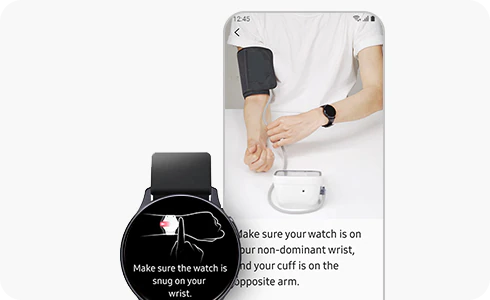
- Wear the watch correctly. Place it one to two finger widths above the wrist bone. Make it snug but not tight.
- Sit and rest for 5 minutes. Feet flat on the floor, back supported, no talking, no caffeine 30 minutes before.
- Place your arm at heart level. Rest your forearm on a table with a pillow under the elbow if needed.
- Use the upper arm cuff on the arm recommended by your device. If unsure, measure both arms once and use the higher-reading arm for future checks.
- Take three cuff readings, one minute apart. Many devices and studies use the average of two or three readings.
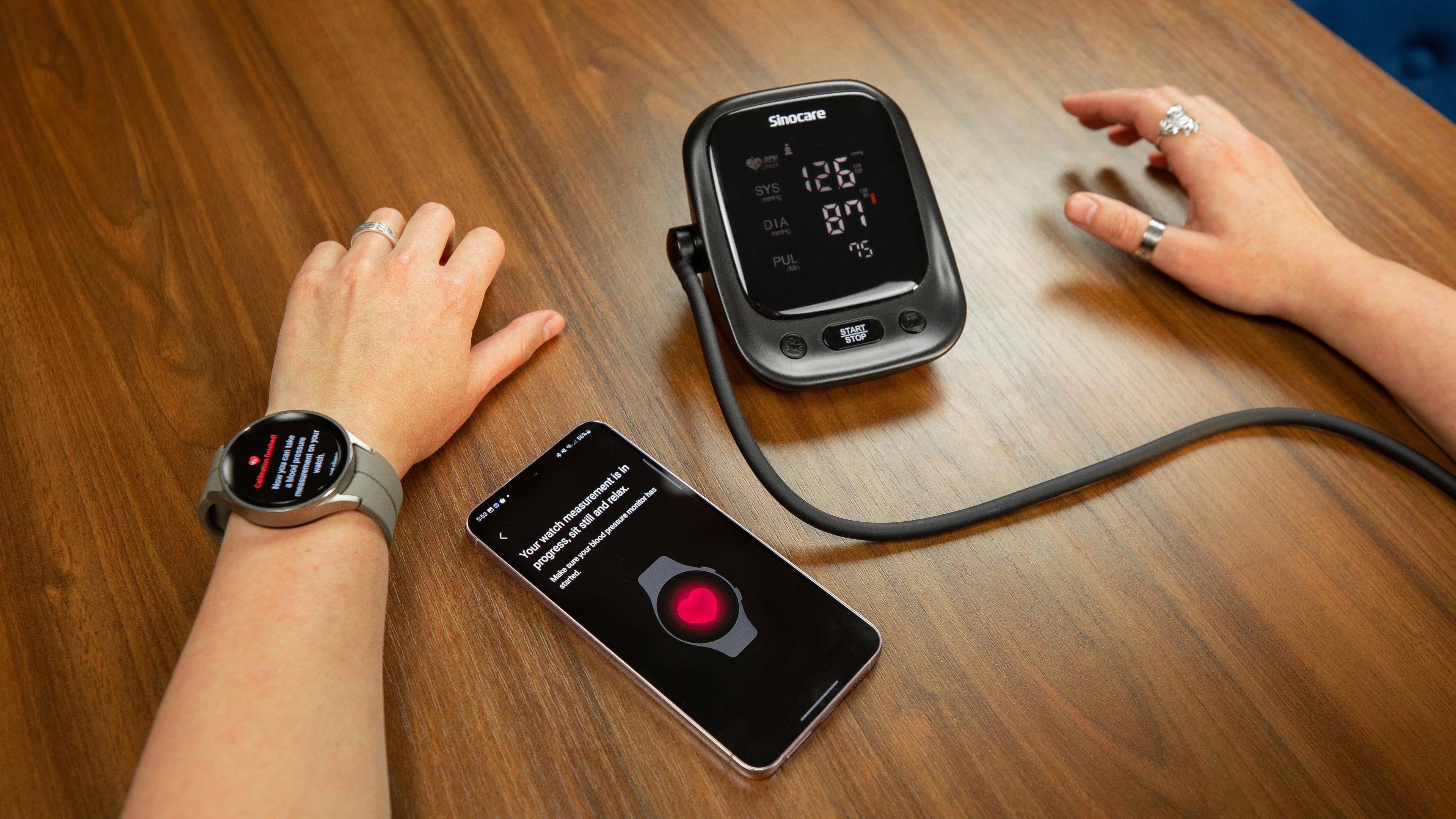
- Open the watch app and start calibration. Enter or sync the cuff values as the app asks. Some apps prompt for each value after every reading.
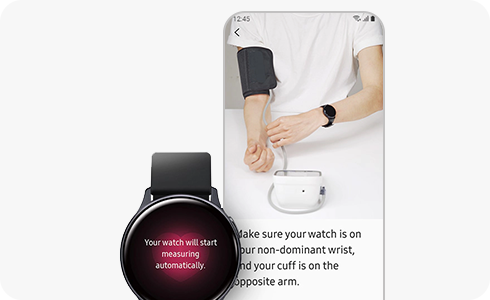
- Keep still during the watch’s optical reading. Do not speak or look at your phone until the step finishes.
- Save the calibration and test a reading. Compare the watch reading to a fresh cuff reading. They should be close, but do not expect a perfect match.
- Repeat as directed. Many apps ask you to recalibrate every 4 weeks or after major updates.
Pro tip: If your watch allows multiple calibrations, do one session in the morning and one in the evening. This can help the algorithm learn your range.
Source: nextpit.com
Platform-specific tips for how to calibrate a blood pressure smartwatch
Brands differ in setup and rules. Here are common patterns I have seen while testing many models.
- Samsung Galaxy Watch models with BP: Use the official health app. It often asks for three cuff readings to start. Recalibrate every 4 weeks. Some regions require a paired Samsung phone to enable the feature.
- Huawei Watch D and similar: This model includes a tiny air-powered band. It still benefits from a baseline and careful posture. Follow the app prompts and use an upper arm cuff for any calibration steps.
- Other brands that estimate blood pressure: Check if the feature is for wellness only. Some watches are not medical devices. Look for regional approvals and notes in the manual.
- Apple Watch and Fitbit: As of now, they do not provide cuffless blood pressure readings in most markets. Be cautious with third-party apps that claim to do so without hardware support.
Always read the device manual. Each device explains how to calibrate a blood pressure smartwatch within its app. The steps and timing windows may vary by brand and region.

Source: youtube.com
Measurement technique matters: posture, placement, and timing
Great calibration depends on great technique. Think of it like tuning a guitar in a quiet room.
- Posture: Sit up straight with back supported. Feet flat, legs uncrossed.
- Arm position: Support your arm at heart level. Use a pillow if needed.
- Watch fit: Snug, with sensors flat on the skin. Avoid loose bands or gaps.
- Cuff size: Use the right cuff size for your arm. An undersized cuff skews high.
- Timing: Morning is ideal. Avoid caffeine, alcohol, and exercise for 30 minutes before.
- Environment: Keep the room warm and calm. Cold hands can tighten vessels and skew readings.
These small habits can change results by 5 to 10 mmHg. Strong technique is part of how to calibrate a blood pressure smartwatch with confidence.
Source: samsung.com
Troubleshooting and common calibration errors
If your readings seem off, try these fixes.
- Inconsistent numbers: You moved or talked. Repeat the session after 5 minutes of rest.
- Watch too loose: Tighten one notch so the sensor stays flat. Recalibrate.
- Wrong cuff size or placement: Switch to the right arm cuff size and align it with the artery mark.
- Tattoos or heavy hair under the sensor: Shift the watch a little to clearer skin.
- Arrhythmia or irregular pulse: Optical methods can struggle. Confirm with a validated cuff and talk to a clinician if needed.
- Firmware or app bug: Update both. Some devices improve accuracy after updates.
- Different arms, different numbers: Use the arm that gave higher cuff readings for future checks.
I also see drift after long flights, hard workouts, or illness. In those cases, run a fresh calibration. It is a quick way to restore trust in the numbers.

Source: youtube.com
How accurate is it and what to expect
No smartwatch replaces a validated upper arm cuff. Most cuffless systems aim for average errors within about 5 to 10 mmHg. Many devices are cleared only in some regions. Others are marketed for wellness, not diagnosis.
Accuracy varies by user. Skin tone, temperature, motion, and vessel stiffness all play a role. Certain conditions can reduce reliability, like arrhythmias, peripheral vascular disease, pregnancy, and advanced diabetes. When in doubt, confirm with a cuff.
Use trends over singles. A single watch reading may wobble. A week of calm morning readings tells a stronger story. That mindset is key to how to calibrate a blood pressure smartwatch for real-world use.

Source: fitvii.com
When to recalibrate and how often
Recalibration keeps the algorithm honest. Do it on a regular schedule and after major changes.
- Every 4 weeks, unless your device says otherwise.
- After firmware or app updates that mention sensor changes.
- After a 10-pound weight change or major training shift.
- After a new tattoo or skin change under the sensor.
- After switching watch bands or wearing style.
- If you notice a steady drift from cuff numbers.
Keep a simple log. Note the date, average cuff readings, and watch readings. This helps you spot drift early and refine how to calibrate a blood pressure smartwatch for your body.

Source: youtube.com
My field-tested tips for better calibration
These are small habits that improved my results across dozens of devices.
- Calibrate at the same time of day. Morning, before coffee, works best for me.
- Warm your hands. Rinse with warm water for 30 seconds if your fingers feel cold.
- Support the elbow. A small pillow reduces tiny muscle tension that fools sensors.
- Breathe slow and look away. Staring at the numbers can trigger stress spikes.
- Take an extra cuff reading if the first is high. Use the average of the last two.
Treat calibration like a ritual. It takes five quiet minutes. The payoff is steadier data and fewer surprises.
Safety and smart use
A smartwatch can help you learn your trends. It is not a doctor and not a cuff. Do not change medication based on watch readings alone.
If your watch flags a value that seems very high, sit, rest, and confirm with a cuff. If you feel chest pain, severe headache, confusion, or shortness of breath, seek care right away. Your health comes first.
Calibrate well, check often, and use your data with care. That is the heart of how to calibrate a blood pressure smartwatch and use it wisely.
Frequently Asked Questions of How to calibrate a blood pressure smartwatch
How often should I recalibrate my smartwatch?
Most devices recommend every 4 weeks. Recalibrate sooner after updates, large weight changes, or if readings drift from a cuff.
Can I calibrate with a wrist cuff instead of an arm cuff?
Use an upper arm cuff for best results. Wrist cuffs are more position-sensitive and can distort calibration.
Why do my watch and cuff never match exactly?
Optical estimates and cuff readings are different methods. Aim for close trends, not perfect matches, and confirm with a cuff if numbers look odd.
Does hydration affect calibration?
Yes. Dehydration can reduce blood volume and alter signals. Drink water normally and avoid heavy caffeine before calibrating.
Can I calibrate if I have an irregular heartbeat?
Calibration may still work, but optical readings can be less reliable. Confirm with a validated cuff and discuss monitoring plans with a clinician.
Which arm should I use to calibrate?
Measure both arms once. If one arm runs higher, use that arm for future cuff checks and calibration.
Do tattoos under the sensor ruin calibration?
They can scatter light and reduce signal quality. Shift the watch a bit to clear skin for better readings.
Is it safe to rely on watch readings for blood pressure management?
Use the watch for trends and reminders. Make treatment choices with a validated cuff and your healthcare provider.
Conclusion
You can get reliable wrist readings with the right setup and habits. Calibrate with a good arm cuff, use calm posture, and repeat on a schedule. Focus on trends, confirm outliers, and keep your watch and app up to date.
Start today. Run a clean three-reading calibration, log your average, and compare it next week. If this guide helped, share it with a friend, subscribe for more practical health tech tips, or leave a question in the comments.